
Detect and respond to evolving attacks with Attacker Clustering
Learn how Attacker Clustering in Datadog AAP identifies and analyzes changes in attacker patterns to help you mitigate complex threats.
 Lies, damn lies, and benchmarksDeepgram
 Detect Non-Inclusive Language with Retext and Node.js - Deepgram Blog ⚡️Deepgram
 How to instantly follow up on Facebook Lead Ads with custom notificationsZapier
 Supply Chain Attacks and Cloud Native: What You Need to KnowThenewstack
 What is OCSF and How Do You Implement It?Datadoghq
 Understanding CSRF attacksVercel
 Socket Now Protects the Microsoft Edge Extension EcosystemSocket
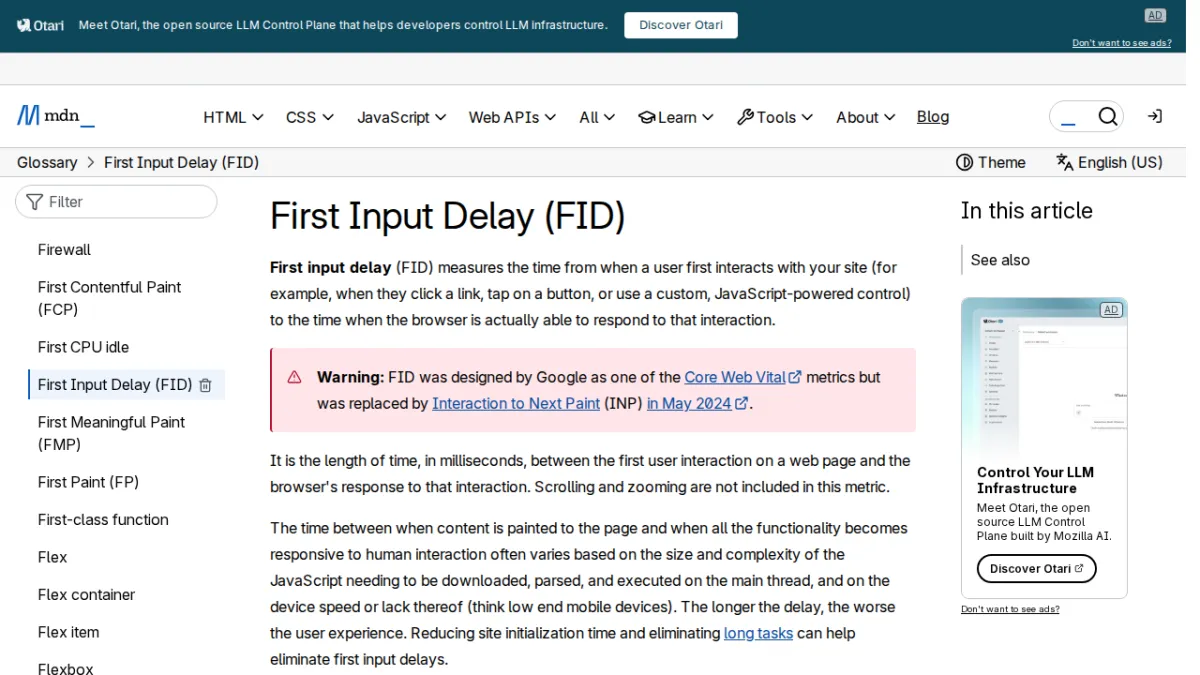 First Input Delay (FID) - GlossaryDeveloper Mozilla
 Docker State of App Dev: AIDocker
Break Free From AI Lock-In: GitHub Models + cagentDocker
Docker State of App Dev: AIDocker
Break Free From AI Lock-In: GitHub Models + cagentDocker
 BunnyCDN is evolving! Introducing bunny.net!Bunny
 Protecting Against CDN Cache PoisoningBunny
 Introducing Socket Firewall: Free, Proactive Protection for Your Software Supply ChainSocket
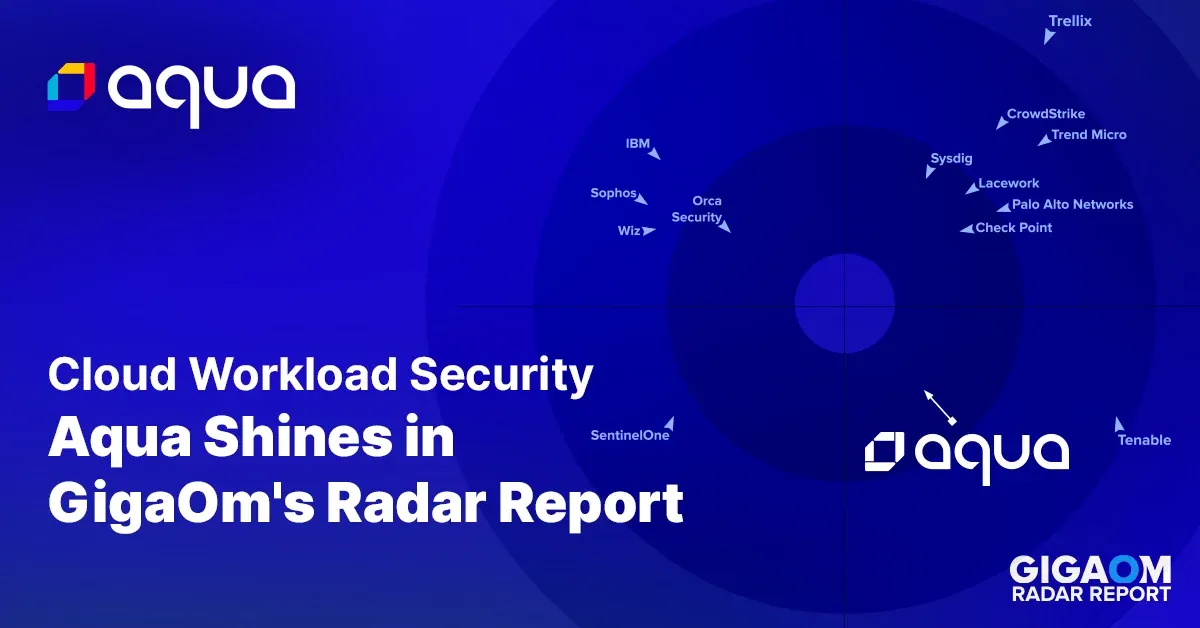 Cloud Workload Security: Aqua Shines in GigaOm's Radar ReportAquasec
